Introduction: Culture as the Foundation of Community Cohesion
Culture is more than traditions passed down through generations—it’s the living, breathing essence of who we are. It shapes how we see the world, how we relate to others, and how we find meaning in our lives. In a multicultural society like Canada, culture serves a dual purpose: it connects us to our roots while simultaneously becoming a bridge that brings diverse communities together.
The Amical Burundais du Grand Moncton understands that celebrating Burundian culture is not about isolation or separation—it’s about contribution. By sharing the richness of Burundian heritage with the Greater Moncton community, we create opportunities for understanding, appreciation, and genuine connection that strengthen the entire social fabric of our region.
What Makes Burundian Culture Unique: A Heritage of Resilience and Community
Burundian culture is characterized by values and traditions that have sustained a people through centuries of change and challenge. At its heart lies a profound sense of community—the understanding that individual wellbeing is inseparable from collective wellbeing.
Language and Oral Tradition: Kirundi, the national language of Burundi, carries within it centuries of wisdom expressed through proverbs, stories, and poetry. This oral tradition preserves history, teaches values, and creates bonds across generations. The beauty of the language itself—its rhythm, its expressiveness—reflects the Burundian spirit.
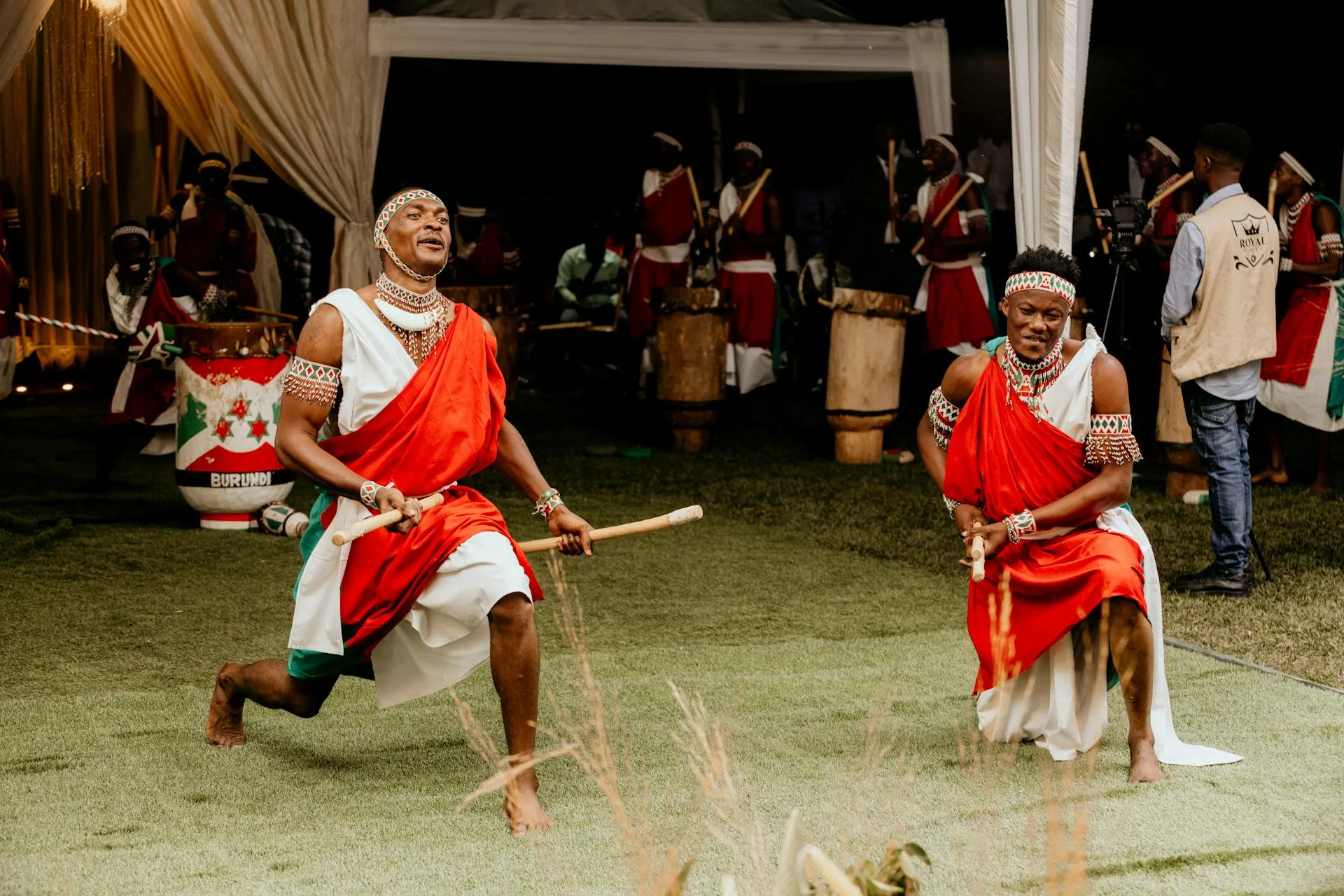
The Art of Drumming: Perhaps no cultural expression is more iconic than the royal drums of Burundi. More than musical instruments, these drums are vessels of history and identity. The drummers—known as “Abatimbo”—perform with athleticism, precision, and passion that mesmerizes audiences. Each performance tells stories of unity, celebration, and the heartbeat of a nation.
Traditional Dance: Burundian dance is both celebration and communication. From the energetic movements of the intore (warrior dance) to graceful social dances, these expressions embody joy, community, and shared heritage. Dance brings people together across age, gender, and background—a universal language of celebration.
Values of Ubuntu and Hospitality: Central to Burundian culture is the philosophy similar to Ubuntu—the belief in shared humanity and mutual care. Hospitality is not merely courtesy but a sacred duty. Visitors are welcomed with warmth and generosity, reflecting the understanding that everyone deserves dignity and respect.
Culinary Traditions: Food in Burundian culture is communal and symbolic. Dishes like “ubugari” (cassava or corn flour paste), beans prepared with palm oil, grilled fish, and banana beer (“urwarwa”) are more than sustenance—they’re occasions for gathering, sharing stories, and strengthening bonds.
Craftsmanship and Art: Burundian artisans create beautiful baskets, pottery, and textiles that are both functional and artistic. These crafts represent skills passed through generations, each piece telling a story of creativity and cultural continuity.
Why Sharing Culture Matters: Breaking Barriers, Building Understanding
In our increasingly interconnected world, cultural celebration serves critical functions in building cohesive, harmonious communities.
Breaking Down Stereotypes: When people directly experience a culture—taste its food, hear its music, learn its history—stereotypes dissolve. Abstract “others” become real people with rich traditions, profound values, and compelling stories. This personal connection is the antidote to prejudice.
Creating Cultural Competence: As Greater Moncton becomes more diverse, cultural competence—the ability to interact effectively with people from different backgrounds—becomes essential. Cultural celebrations provide accessible education that builds this competence organically through experience rather than abstract instruction.
Enriching Canadian Multiculturalism: Canada’s identity as a multicultural nation is not about mere tolerance of diversity—it’s about actively celebrating the contributions each culture brings. When Burundian culture is shared publicly, it adds new threads to the Canadian tapestry, enriching everyone’s experience.
Building Pride and Belonging: For Burundian-Canadians, seeing their culture celebrated publicly validates their identity and contributions. Children who see their heritage honored in community festivals grow up with healthy bicultural identities, comfortable in both worlds.
Creating Common Ground: Interestingly, cultural celebration often reveals universal themes that connect rather than divide us. Every culture has music, dance, food, stories, and values around family and community. Sharing specific cultural expressions highlights both beautiful diversity and fundamental human commonalities.
ABGM’s Role: Creating Spaces for Cultural Exchange and Celebration
The Amical Burundais du Grand Moncton actively creates opportunities for cultural celebration and exchange through diverse programming designed to be welcoming, educational, and engaging.
Cultural Festivals: ABGM organizes festivals that showcase Burundian culture through live performances, traditional food, artisan markets, and interactive experiences. These events attract diverse audiences, creating spaces where Burundians can celebrate their heritage and other community members can discover and appreciate it.
Bilingual Workshops: Recognizing the linguistic diversity of both Burundi and Canada, ABGM offers workshops in both English and French. These sessions might teach traditional cooking, drumming techniques, dance, or Kirundi language basics. The bilingual approach ensures accessibility and reflects the reality of Burundian-Canadian identity.
Educational Initiatives: ABGM partners with schools, libraries, and community centers to provide cultural education. Presentations about Burundian history, geography, and contemporary life help students and community members understand the context from which Burundian-Canadians come.
Collaborative Events: By partnering with other cultural organizations in Greater Moncton, ABGM creates opportunities for intercultural exchange. Joint festivals, collaborative performances, and shared meals between different cultural communities build networks of understanding and friendship.
Youth Cultural Programs: Special programming helps young Burundian-Canadians connect with their heritage while sharing it with peers from other backgrounds. Youth cultural ambassadors learn to explain and demonstrate their culture with pride and skill.
Through all these initiatives, ABGM ensures that Burundian culture remains vibrant in the diaspora while simultaneously contributing to the rich multicultural landscape of Greater Moncton.
Conclusion: Honoring the Past to Build a Vibrant Shared Future
Culture is not static—it evolves, adapts, and grows while maintaining connection to its roots. Burundian-Canadians in Greater Moncton are creating something new and beautiful: a living culture that honors ancestral traditions while embracing Canadian values and contributing to a shared future.
When we celebrate Burundian culture, we’re not looking backward with nostalgia—we’re actively building bridges between past and future, between heritage and home, between different communities in our diverse region.
This celebration benefits everyone. Burundian-Canadians gain spaces to express and share their identity. Other community members gain opportunities to experience beauty, wisdom, and perspectives that expand their worldview. Greater Moncton gains the vibrancy, creativity, and strength that cultural diversity brings.
The work of cultural celebration is ongoing and requires participation from all community members. It thrives when people show up with curiosity, openness, and willingness to learn from each other.
ABGM invites everyone—whether you’re of Burundian heritage or simply passionate about cultural diversity—to join in celebrating and sharing the richness of Burundian culture. Together, we honor the past while building a more vibrant, connected, and understanding community for all.
Visit our events, participate in our workshops, taste our food, move to our drums, and discover how cultural celebration strengthens us all.