
Introduction: The Essential Role of Cultural Communities
When newcomers arrive in Canada, they face more than just a change of address—they navigate a complete transformation of their daily reality. Language barriers, unfamiliar systems, and the absence of familiar social networks can make the transition overwhelming. This is where cultural communities become vital. Organizations like the Amical Burundais du Grand Moncton (ABGM) Inc. serve as anchors in stormy seas, providing newcomers with the cultural familiarity, practical guidance, and emotional support that turn survival into thriving.
Cultural communities are not simply social clubs—they are integration engines that help bridge the gap between where newcomers come from and where they’re going. They create spaces where identity is celebrated rather than surrendered, making the integration process more sustainable and authentic.
Cultural Belonging: The Foundation of Successful Integration
The psychological impact of belonging cannot be overstated. Research consistently shows that newcomers who maintain connections to their cultural roots while embracing their new home experience better mental health, higher self-esteem, and more successful long-term integration.
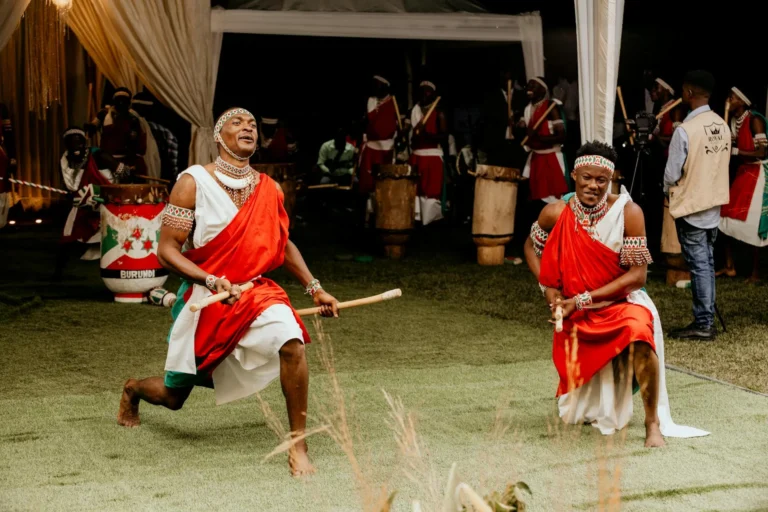
Cultural communities provide this critical sense of belonging. When a Burundian family in Moncton attends an ABGM event and hears Kirundi spoken, tastes familiar foods, or participates in traditional dances, something profound happens. They’re reminded that their identity has value, that they don’t need to choose between being Burundian and being Canadian—they can be both.
This dual belonging is the key to healthy integration. Newcomers who feel secure in their cultural identity are more confident in exploring and embracing Canadian culture. They become bridges between communities rather than individuals caught between two worlds.
Mentorship & Guidance: Practical Support That Makes the Difference
Beyond emotional support, cultural organizations provide invaluable practical assistance. Navigating Canadian systems—healthcare, education, employment, banking—can be bewildering for newcomers. Cultural community organizations offer mentorship programs where established community members guide recent arrivals through these challenges.
ABGM’s approach to mentorship recognizes that effective support goes beyond handing someone a pamphlet. It means accompanying a newcomer to their first medical appointment, explaining how to interpret a child’s report card, sharing tips for winter driving, or helping decode the unwritten rules of Canadian workplace culture.
These mentors speak the same language—both literally and figuratively. They remember their own integration challenges and can anticipate questions before they’re asked. This peer-to-peer guidance is often more accessible and relatable than institutional support, complementing formal settlement services with cultural wisdom and lived experience.
Cultural orientation provided by these communities helps newcomers understand not just the “what” and “how” of Canadian life, but the “why”—the values and norms that underpin Canadian society. This deeper understanding accelerates meaningful integration.
Community Events as Bridges: Building Networks That Last
Cultural events organized by community associations serve a purpose far beyond entertainment. They are carefully constructed bridges that connect newcomers to each other, to established community members, and to the broader Greater Moncton community.
A cultural festival celebrating Burundian heritage, for instance, creates multiple integration opportunities simultaneously. Newcomers connect with others who share their background, reducing isolation. They practice English or French in a comfortable, low-pressure environment. They meet Canadians curious about their culture, forming connections based on mutual interest and respect.
These events also showcase contributions. When newcomers participate in organizing festivals, lead workshops, or perform traditional dances, they shift from passive recipients of help to active contributors to community life. This role reversal is crucial for self-confidence and for how the broader community perceives newcomers—not as people who need help, but as individuals with valuable gifts to share.
The social networks formed at these events often become lifelong friendships and professional connections. A conversation at a community potluck might lead to a job referral, a childcare arrangement, or a business partnership. These organic connections are the fabric of true community integration.
Conclusion: Stronger Communities Through Inclusive Integration
A community that successfully integrates newcomers becomes stronger, more resilient, and more vibrant. Cultural communities like ABGM are essential catalysts in this process, creating conditions where integration happens naturally, respectfully, and sustainably.
When we invest in cultural community organizations, we’re not just helping newcomers—we’re enriching the entire community. We’re building a Greater Moncton that reflects the best of Canadian values: diversity, inclusion, and mutual support.
The work of integration is never finished. It requires ongoing commitment, resources, and participation from all community members. Whether you’re a newcomer seeking connection, an established resident wanting to support integration efforts, or someone passionate about building stronger communities, ABGM invites you to join this important work.
Together, we can ensure that every newcomer in Greater Moncton finds not just a new place to live, but a true home—and in doing so, we all benefit from the talents, perspectives, and energy they bring to our shared community.
Join ABGM today and be part of building a more welcoming, integrated, and vibrant Greater Moncton.